A hotel sign has multiple purposes. From helping guests find the entrance to representing your brand, your hotel sign is ultimately part of the guest experience. Choosing the right hotel signage takes considering multiple factors, from visibility and materials to lighting and placement.
So, what makes a good hotel sign? Here are eight factors to consider before ordering custom signage for your hospitality property.
1. Make the Hotel Sign Easy to See
Visibility is incredibly important when designing a hotel sign. Your sign could be absolutely beautiful, but it won’t do much if guests can’t read it easily when they need it.
There are several factors to consider when it comes to sign visibility, including:
- Where the sign will be installed
- How far away guests will view it
- Whether people will see it while driving or walking
- Nearby buildings, trees, landscaping, or other visual obstacles
- The height of the sign
- Surrounding lighting conditions
- The contrast between the sign and its background
An exterior hotel sign near a busy road, for example, needs to be able to be read from much farther away than a lobby sign viewed from across a reception area. Additionally, you should consider the sign’s surroundings. Dark lettering will disappear against a dark background, and reflective materials can be difficult to read depending on the lighting.
Before you choose any dimensions, start by asking yourself where guests will be when they first need to recognize the sign. The further away they will be, the larger the sign must be.

2. Make the Hotel Sign Readable
Visibility gets people to notice the sign. Readability helps them understand it.
A good hotel sign should communicate its message quickly, especially if it includes any identification or directional information. Several design choices can affect readability:
- Letter size
- Typeface
- Letter spacing
- Color contrast
- Sign dimensions
- Background material
- Amount of information
- Viewing distance
- Lighting
Decorative fonts may look nice for luxury or boutique brands, but letters that are highly stylized can be difficult to read at a distance. Same with putting too much text on one sign – it can make the sign look crowded and difficult to understand.
When it comes to hotel signs, simpler is better. Prioritize the information guests actually need and give it enough open space around the lettering for it to remain clear.

3. Ensure the Sign Matches Your Brand
Hotel signage should feel like part of your property. Your hotel sign can reinforce your brand through:
- Logo design
- Font choices
- Colors
- Materials
- Finishes
- Shapes
- Illumination
- Mounting style
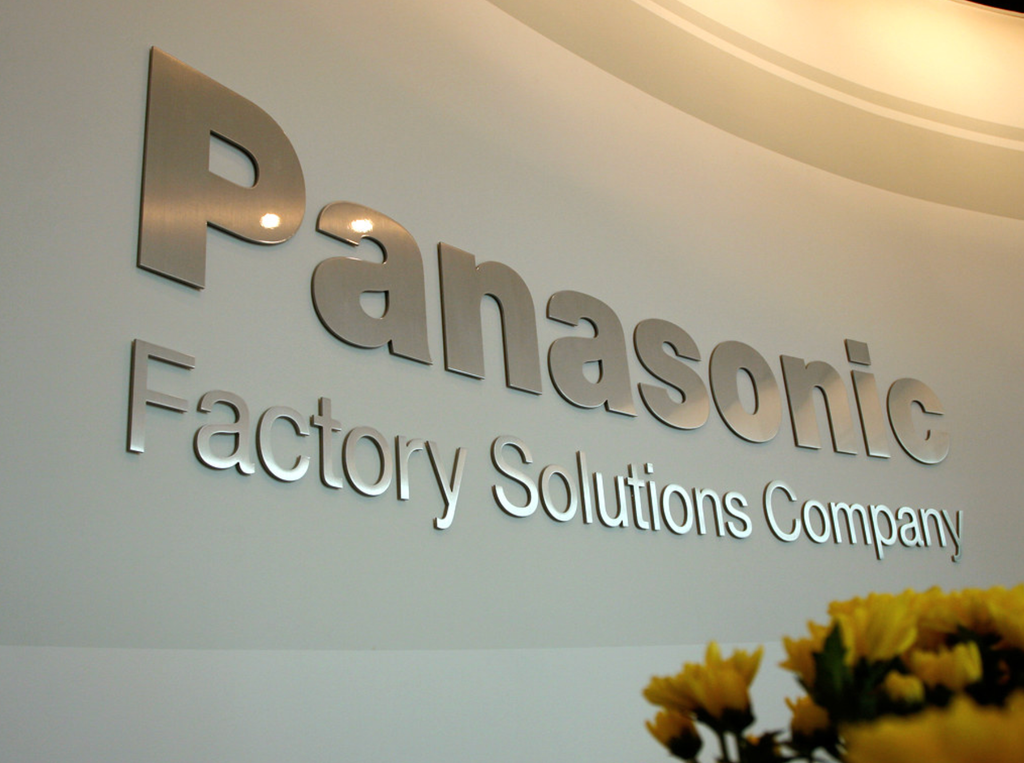
For example, a contemporary urban hotel may use details like brushed stainless steel lettering or subtle halo lighting, but a historical property may prefer bronze lettering and a more traditional plaque design.
Your sign should represent your brand voice, so it should be consistent with the rest of your imagery and messaging. Exterior identification, lobby branding, room signage, directional signs, and amenity identification should all feel connected even though they serve different purposes.

4. Choose Materials That Reflect Your Brand and Building
There’s no single best material for every hotel sign. The right choice for your property depends on several factors, from the sign’s location to your budget and maintenance preferences. Here are some of the most common signage materials for hotel signs.
Aluminum Hotel Signs
Aluminum is lightweight, versatile, and corrosion-resistant. It can work well for dimensional letters, plaques, logos, and many exterior applications. It can also be painted, anodized, or finished to achieve a range of appearances.
Stainless Steel Hotel Signs
Stainless steel offers a polished, architectural appearance and works particularly well for modern hotels, upscale properties, and contemporary interiors.
For exterior installations, the specific stainless steel grade should be chosen based on environmental conditions. Properties near saltwater or coastal environments may require more corrosion-resistant material than inland locations.
Bronze Hotel Signs
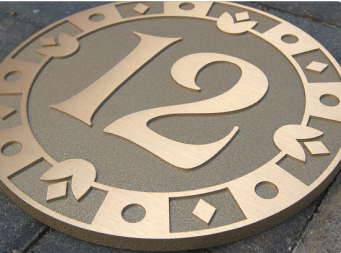
Bronze is often used when the property wants a traditional, substantial, or historic appearance. Cast bronze letters and plaques can work especially well for established hotels, landmark properties, and classic architectural styles.
Acrylic Hotel Signs
Acrylic provides flexibility for colors, dimensional designs, logos, and layered signage. It can also be paired with metal components to create contrast and depth.

Glass Hotel Signs
Glass signs can create a clean, refined appearance for lobby signs, recognition displays, directories, and other interior applications. Etching, frosting, color, metal accents, and stand-off mounting can all change its appearance.

5. Consider Illuminating Your Sign
Lighting can make your hotel sign more visible at night and strengthen visual interest. Illuminated signage is especially important for properties like hotels, as guests can arrive at any hour. A clearly visible sign can help confirm they’ve reached the right place after dark.
Common lighting approaches on custom signs include:
- Face-lit channel letters
- Halo-lit or reverse-lit letters
- Internally illuminated sign cabinets
- Edge-lit glass
- External architectural lighting
- LED illumination incorporated into a monument sign
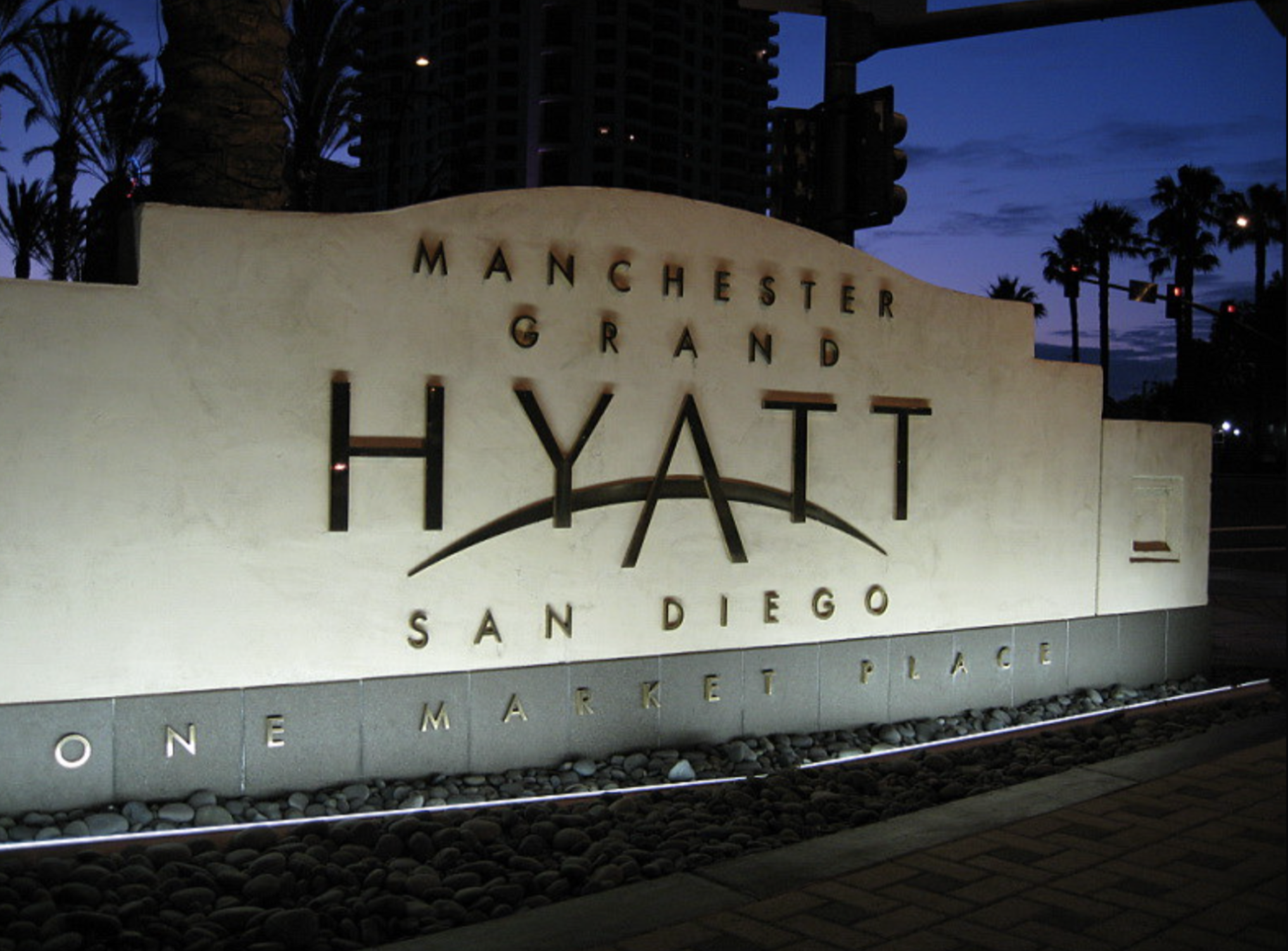
Halo lighting is often used for properties looking for a subtle, upscale appearance, as the light shines behind the dimensional letters and creates a glow around the edges. Face-lit signage offers more direct illumination and is best for maximum nighttime visibility.
Before choosing illuminated signage, make sure to consider details like power access, wiring, placement, and any local sign regulations.

6. Determine Where to Install Your Hotel Signage
Placement is an incredibly important decision when it comes to your sign. Hotels often need several sign points to guide guests throughout the property, including:
- Property entrances
- Roadside approaches
- Parking areas
- Building entrances
- Reception desks
- Elevators
- Hallways
- Guest rooms
- Meeting spaces
- Restaurants
- Fitness centers
- Pools
- Spas
- Business centers
- Event spaces
A roadside monument sign serves a very different purpose than dimensional lobby lettering, so before ordering, consider what each sign’s purpose is. Thinking about signage from the guest’s perspective can help determine where signs are needed and what each one should communicate.
7. Think About the Sign’s Environmental Exposure
Your hotel sign should be designed for the conditions it needs to withstand. Exterior hotel signage can be exposed to:
- Rain
- Snow
- UV exposure
- High temperatures
- Freezing temperatures
- Humidity
- Wind
- Salt air
- Pollution
The material or finish you choose can perform differently depending on the location. For example, coastal environments can be extremely demanding since airborne salt can contribute to corrosion. The materials and coatings you choose need to account for those specific conditions.
Interior conditions matter too. Signs in busy lobbies, conference facilities, or corridors may be touched frequently or exposed to cleaning products and everyday wear and tear. Choose materials and finishes that will withstand the types of exposure you expect.
8. Consider Functionality and Accessibility Needs
Not all hotel signs are just decorative or promotional. Some signs serve important functions, such as for identification or accessibility. Your hotel likely needs signage for:
- Permanent rooms
- Restrooms
- Exits
- Stairwells
- Accessible routes
- Elevators
- Guest room numbers
- Amenities
- Emergency information
Depending on the sign’s purpose and location, you may need additional features like tactile lettering, Braille, added contrast, or increased font size. You should consider these functional details early on in the sign creation process to ensure you meet any accessibility requirements.
Create a Hotel Sign That Works With Your Property
Your hotel sign shouldn’t just look impressive in the rendering – it should also look great and work well in the real environment where it’ll be used. Visibility, readability, materials, lighting, branding, placement, durability, and functional requirements should all be considered early in the process before fabrication begins.
Impact Signs manufactures custom architectural signs, dimensional letters, plaques, glass signage, and illuminated sign solutions for hotels and other commercial properties. Whether you’re planning one exterior identification sign or a coordinated signage package, our team can help determine the materials, fabrication methods, finishes, and mounting options that best fit your project.
Send us your signage information for a free quote or book a consultation to talk through your needs with a member of our team.
Hotel Signs FAQ
What makes a good hotel sign?
A good hotel sign is visible, readable, durable, consistent with the property’s brand, and appropriate for where it will be installed. The best design also considers viewing distance, lighting, materials, mounting, and the specific information guests need.
What material is best for hotel signs?
The best material depends on the application. Aluminum is versatile and corrosion-resistant; stainless steel offers a contemporary architectural look, bronze provides a traditional appearance, acrylic offers design flexibility, and glass signs can create a refined interior presentation.
Should a hotel sign be illuminated?
Yes, exterior hotel signs often benefit from illumination because guests may arrive after dark. Face-lit, halo-lit, internally illuminated, or externally lit options may be appropriate depending on the desired appearance and visibility requirements.
How big should a hotel sign be?
The appropriate size depends on viewing distance, location, traffic speed, building scale, available mounting space, and the amount of information shown. A roadside hotel sign generally needs significantly larger lettering than an interior lobby sign. Our team can help you determine what size you need for your custom signage.
What signs does a hotel need?
A hotel may need exterior identification, entrance signs, lobby branding, directional signage, room identification, ADA signs, directories, parking signage, and signs identifying amenities such as pools, fitness centers, restaurants, and meeting rooms.
What is the best type of exterior hotel sign?
There isn’t one best type for every property. Monument signs work well near entrances and roadways, dimensional letters can identify the building itself, and illuminated channel letters can provide strong nighttime visibility. The architecture, viewing distance, brand, and local sign requirements should guide the decision.
Can hotel signs be customized to match brand standards?
Yes, hotel signs can be customized to match brand standards. Custom hotel signs can incorporate specific logos, fonts, colors, materials, finishes, dimensions, and illumination styles to coordinate with established brand standards and architectural plans.