Monument signs have three important jobs: Identify your property, help visitors find the entrance, and create a strong first impression.
It may sound simple, but choosing from so many different materials, lettering, and lighting options can get complicated fast. In this guide, we’ll walk you through all the decisions you need to make, so you can choose a monument sign that looks great and holds up well over time.
What Is a Monument Sign?
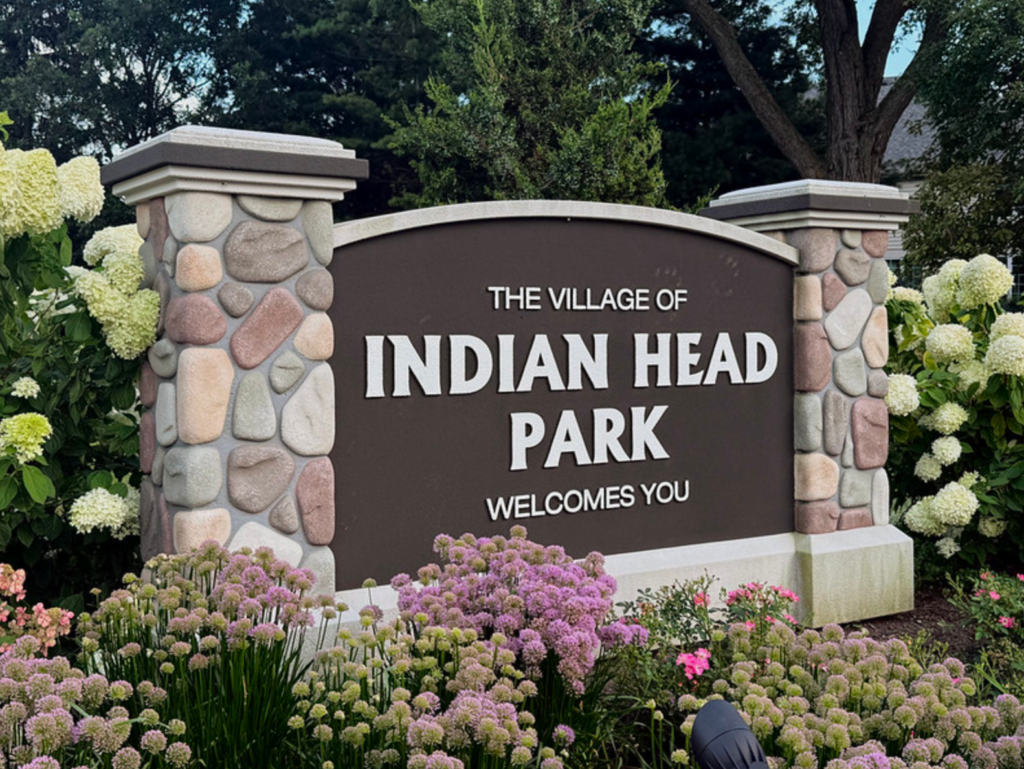
A monument sign is usually a freestanding sign installed close to ground level, usually near the entrance to a property. Unlike a tall pole sign, it has an architectural base and is designed to feel connected to its surroundings.
Monument signs are used for a variety of places, including:
- Corporate offices
- Medical practices
- Apartment and condominium communities
- Schools and universities
- Churches and religious campuses
- Hotels and hospitality properties
- Business parks
- Municipal buildings
- Parks and public spaces
Because they usually sit near the road or a driveway, these signs serve as both property identification and wayfinding. That means readability and placement matter just as much (if not more) as appearance!

Start With the Sign’s Main Purpose
Before you jump to materials or finishes, you need to consider what the goal of your sign is. Does it have to just display one business name, or many? Does it need to be readable at night? Are drivers approaching from one direction, or both?
Asking yourself these questions can help you determine the best next choices for your monument sign. For example, a single-tenant office may opt for a clean logo display, while a multi-tenant property may need replaceable panels or a director system.
The clearer your purpose is, the easier it’ll be to choose the right materials and layout for your sign.

What Is the Best Material for Monument Signs?
The materials you choose affect everything about your sign, from durability to maintenance. There’s no single best material for every project, so you should think carefully about your needs when choosing. Here are some of the top picks for materials for monument signs.
HDU Foam Monument Signs
For many projects, the best monument sign material is HDU foam, also called high-density urethane. HDU foam is one of the most popular choices for custom monument signs because it delivers a strong visual presence without the cost, weight, or construction complexity of other materials like stone and brick.
HDU foam is dense and can be carved, routed, shaped, painted, and finished to create a custom sign structure. Because of this flexibility, it can have many different appearances, including smooth painted finishes, textured stucco coatings, faux stone effects, and custom shapes. It’s commonly used for professional monument signs, dimensional sign faces, and carved displays.
Overall, HDU foam is a strong choice when you want:
- Strong design flexibility
- Carved or routed detail
- A custom sign shape
- Lower weight than stone or masonry
- A cost-effective alternative to solid architectural materials
- A sign that can be painted or textured to match the property
Brick Monument Signs
Brick monument signs offer a traditional, permanent look that works especially well for buildings made of brick. They’re commonly seen at:
- Traditional office buildings
- Residential communities
- Universities
- Churches
- Medical campuses
- Historic or civic properties
Brick or masonry is a strong choice when you want your sign to feel like part of the property architecture rather than a separate, freestanding object. The key is coordination – the brick color, mortar, scale, and shape should complement the building. If it’s close but just a little “off,” it can stick out poorly.
Keep in mind that Impact Signs doesn’t build the brick base for your monument sign. You’ll need to hire a contractor to complete the masonry first, then design signage to put on the base.

Stone Monument Signs
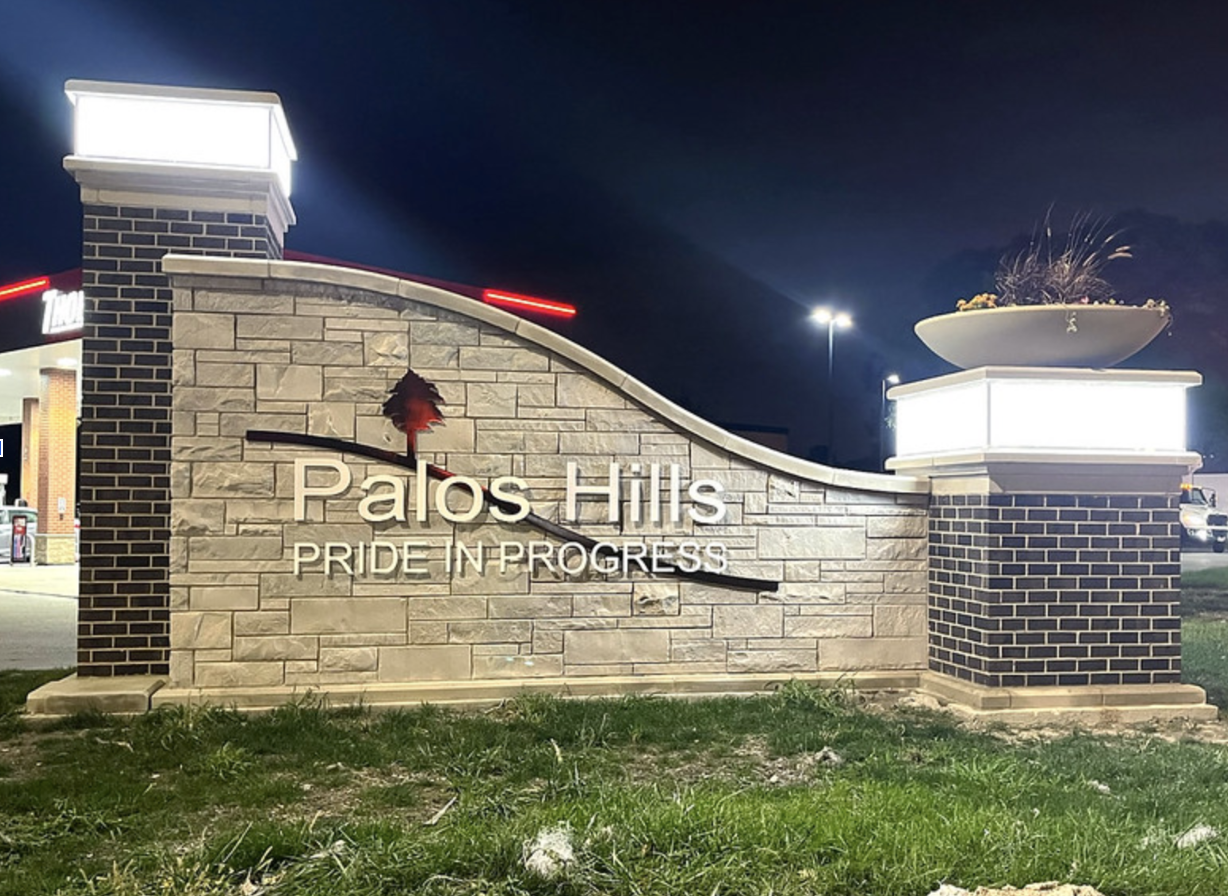
Stone monument signs offer a natural, substantial appearance and are often used for high-end properties, parks, campuses, civic spaces, and traditional buildings.
Similar to brick, stone feels timeless, especially when it relates to the nearby building. It’s a strong choice when:
- The property has natural or traditional materials
- The sign should feel permanent and established
- The surrounding landscape is a major part of the property’s identity
- The sign is for a campus, park, residential community, or civic site
- A more premium or architectural look is desired
Like brick, keep in mind that stone requires masonry or construction work that’s separate from the sign fabrication process. Impact Signs doesn’t build or install the stone base or structure, but we do help design the signage to go on it. You’ll need to hire a mason or landscape contractor to construct your monument base before installing the signage elements on the finished surface.
Bronze Monument Sign Elements: Letters and Plaques
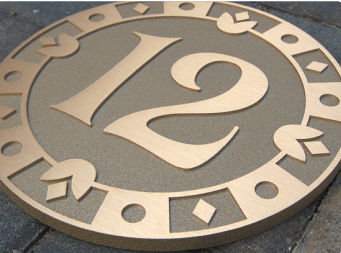
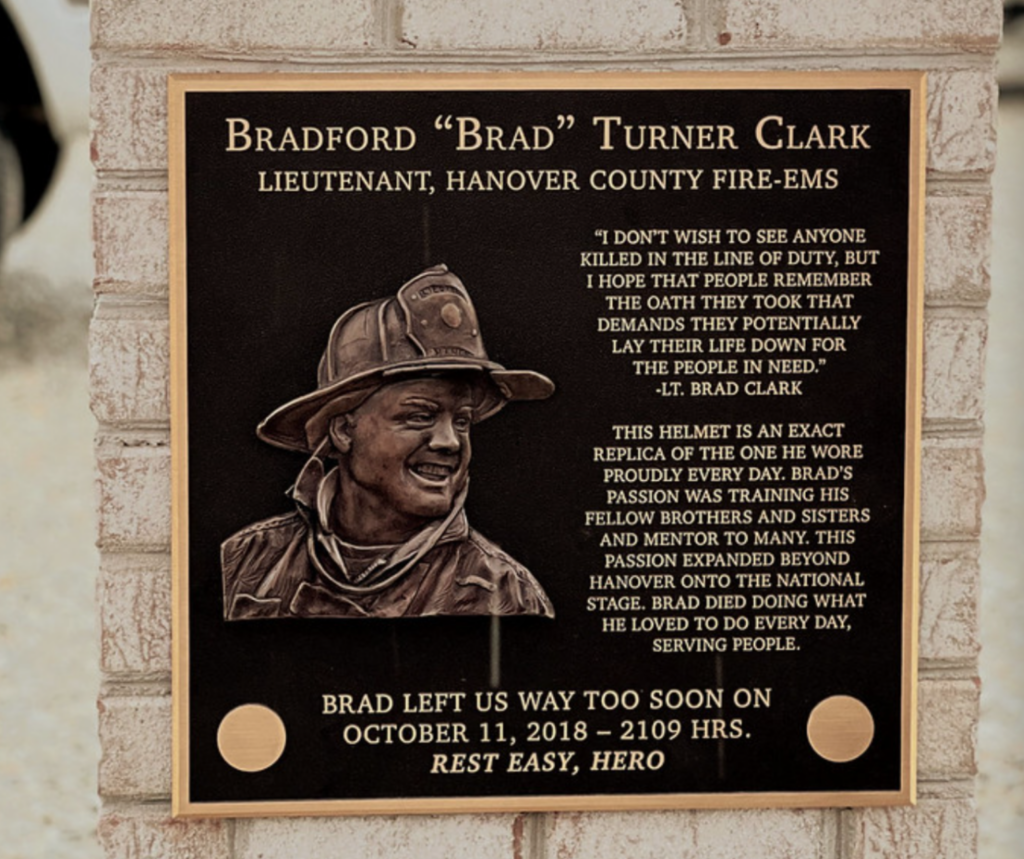
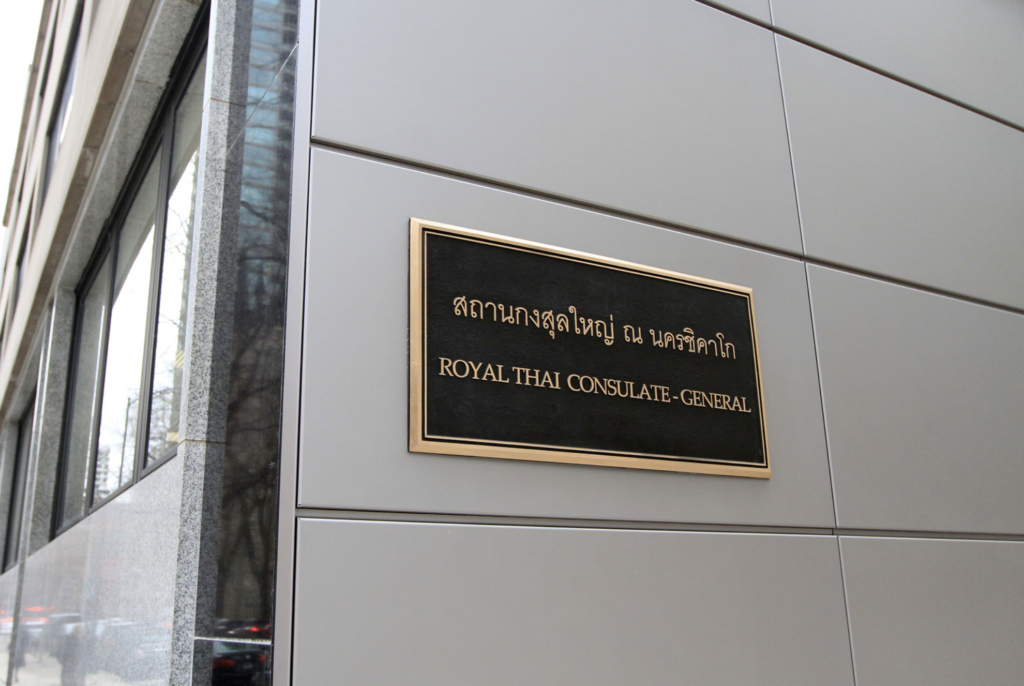
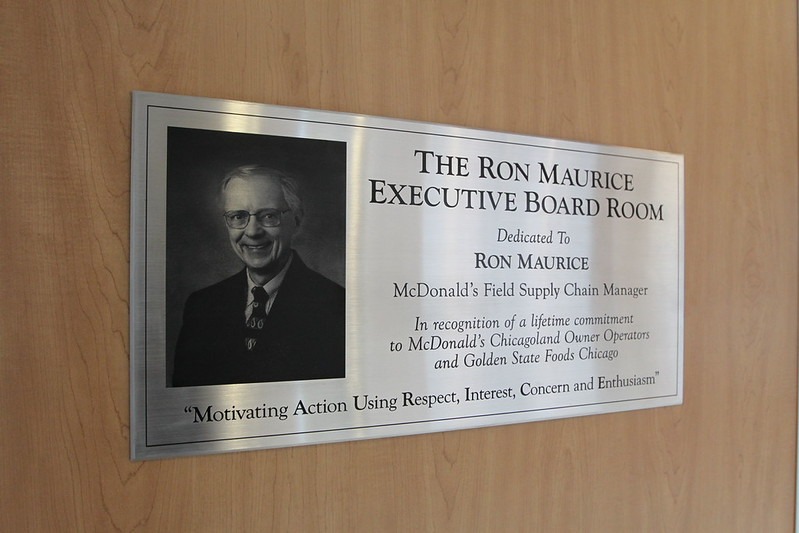
Though bronze on its own is not typically used for entire monument signs, bronze is a great signage option to add warmth and a classic architectural feel to your sign. Bronze letters and plaques are often used as added detail on monument signs for historic properties, universities, and civic locations. You can use bronze for:
- Cast letters
- Plaques
- Property names
- Address numbers
- Emblems and seals
- Historical information
A natural or applied patina can also make the bronze appear more appropriate for certain buildings or surrounding landscapes. It’s a good choice for your sign if the goal is timelessness, rather than a bright, contemporary look.
How Do I Match a Monument Sign to My Building?
Matching your monument sign to your building doesn’t necessarily mean copying the building exactly. The goal is for them to coordinate visually, but this can be done in many different ways. Ultimately, your monument sign should feel like it really belongs on the property, whether through shared materials, colors, or smaller details.
For example, a brick office building may use a matching brick base with contrasting metal letters for coordination. Or, a modern glass-and-steel building may choose an aluminum monument sign for a sleek profile. You may also repeat colors or finishes used at the main entrance.
The biggest mistake you can make when designing a monument sign is to treat it as an isolated piece of branding. You want to make sure the sign is connected to the identity of your organization, including the building it’s in.

How Do I Choose the Right Letter Style for My Monument Sign?
You should choose your letters based on readability, not branding alone. Some of your choices include:
- Dimensional Metal Letters: Create depth and an architectural look. They work well for offices, medical practices, hotels, campuses, and residential developments.
- Cast Metal Letters: Ideal when you want a classic appearance and an available standard font and size. They are typically made from bronze or aluminum and can include deeper or prismatic faces for added exterior presence.
- Cut Metal Letters: Offer the most flexibility. They can match custom fonts, logos, and nonstandard sizes and are available in aluminum, bronze, stainless steel, and Corten steel.
Flat graphics or vinyl may work for replaceable tenant panels, but dimensional letters generally create a more permanent, premium result. Whatever style you choose, use a clear font, sufficient contrast, and letter sizing based on viewing distance rather than the sign face alone.
Which Illumination Option Is Best for a Monument Sign?
You should choose lighting based on the property’s style and how visible the sign needs to be after dark.
- External Lighting: Ground-mounted fixtures illuminate the entire sign face and pair well with masonry, bronze, and traditional designs.
- Halo-lit Letters: LEDs behind dimensional letters create a soft glow and a premium architectural effect. Smooth sign surfaces usually produce the cleanest halo.
- Internally Illuminated Cabinets: Lighting inside the sign provides strong visibility and works well for tenant panels or roadside properties.
- Face-lit Letters: Light shines through the front of each letter for bold nighttime visibility, especially for retail and hospitality properties.
Your sign should be bright enough to read comfortably without causing glare. Nearby lighting, background color, local codes, and neighboring properties should all factor into the final decision.
Create a Monument Sign That Belongs on the Property
The best monument signs feel permanent, readable, and connected to the architecture around them. Ultimately, materials establish the character, while lettering makes the message clear, and lighting keeps the sign visible when people need it.
Impact Signs designs and fabricates custom monument signage for businesses, campuses, residential communities, medical offices, hotels, and public spaces nationwide. Schedule a consultation and share a photo of your property, approximate sign location, logo, and visibility goals, and our team can help you choose the right materials, letter style, size, and lighting approach for your project.